Source Garlic Keeper Options for Kitchen, Business, and Camping
Explore 30 garlic keeper listings from Chinese manufacturers. Compare ceramic, metal, and glass options featuring freshness preservation, eco-friendly designs, and customized colors for home, business gifts, and camping use; compare the available evidence and request quotations based on your requirements.
Key considerations
Products List
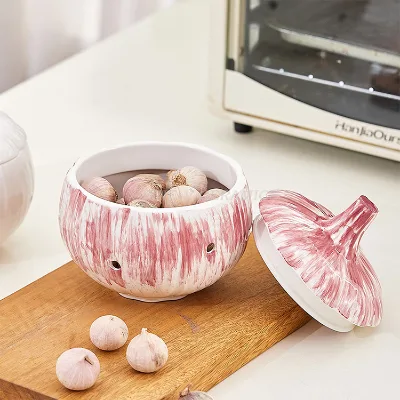
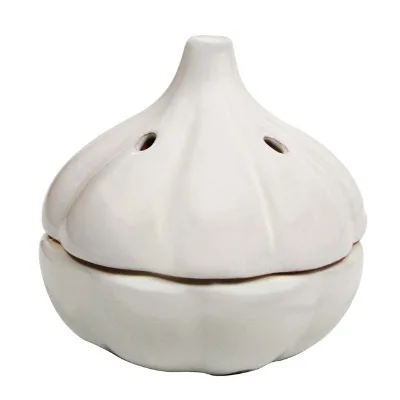
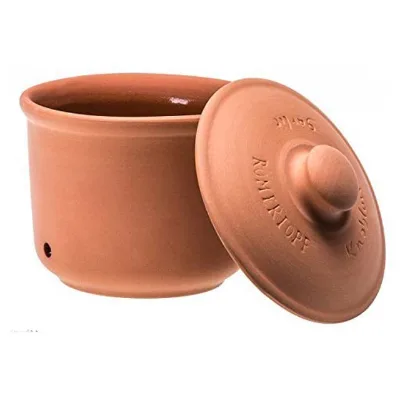
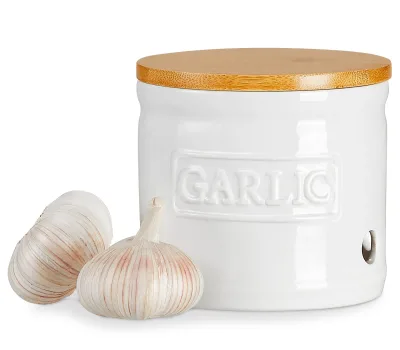








Comprehensive Sourcing Guide
Garlic Keeper Sourcing Guide
Procurement professionals evaluating garlic keepers must first distinguish between general storage vessels and specialized units designed for bulb preservation. The observed market data indicates a strong presence of ceramic models featuring freshness preservation capabilities, often marketed with specific attributes like "keep fresh" functionality. Buyers should prioritize listings that explicitly mention airtight lids or cover styles, as these are critical for maintaining the dry environment required to prevent garlic from sprouting or molding prematurely.
When analyzing product listings, it is essential to recognize that "garlic keeper" often appears as a subset within broader food storage categories like storage bottles and jars. The available data shows variations in capacity ranging from 1-2 liters to larger volumes, with some units designed for specific items like eggs, meat, or vegetables. Sourcing teams must verify that the product's intended use aligns with the specific storage needs of their kitchen or commercial operation, ensuring the selected unit offers the correct balance of ventilation and containment for long-term bulb storage.
Product Scope and Observed Listing Signals
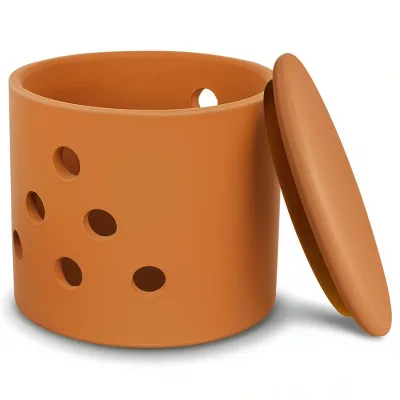
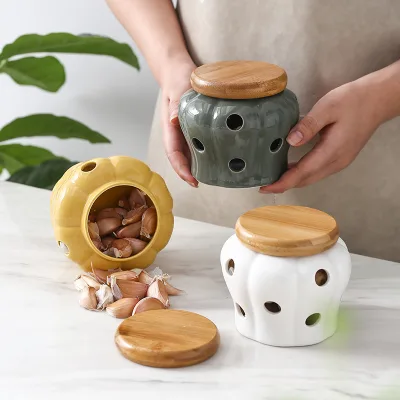
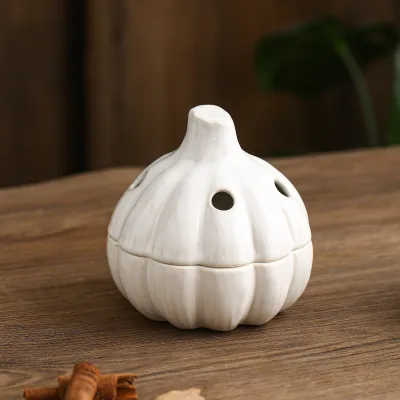
The current market for garlic keepers displays a diverse range of styles, from classic European designs to multifunctional units suitable for various kitchen spaces. Listings frequently highlight features such as sustainability and eco-friendly materials, with ceramic being a dominant material choice due to its ability to regulate humidity. Buyers should note that while some products are described as having a round shape, others may vary, and the color options often include white, brown, or customized palettes to match specific interior design requirements.
Commercial signals in the data reveal significant variability in packaging dimensions and gross weights, suggesting that logistics planning must account for substantial differences in shipping volume. Some units are packaged in compact boxes around 28x30x30 cm, while others require larger 55x55x30 cm containers, directly impacting freight costs. Procurement teams must carefully review the single package size and weight specifications to avoid unexpected shipping surcharges, as the difference between a 2 kg unit and a 30 kg unit represents a major logistical distinction.
Technical Specifications to Verify
Technical due diligence requires a rigorous verification of material composition, as the integrity of the storage environment depends heavily on the vessel's construction. The observed data confirms the availability of ceramic options, which are generally preferred for their non-reactive nature and moisture-regulating properties. However, buyers must also be aware of metal alternatives and ensure that any metal components are lead-free, a specific feature noted in some listings, to guarantee food safety and compliance with international health standards for kitchen accessories.
Capacity and dimensional accuracy are critical parameters that often vary significantly between suppliers, with some products listing capacity as "As Picture Size" rather than providing precise milliliter measurements. Verification should include confirming the single gross weight and package dimensions to ensure the product fits within the intended storage space, whether it is a home kitchen or a commercial pantry. Buyers must cross-reference the model number and size specifications, such as "S" or "Small," against their physical inventory constraints to prevent purchasing units that are too large or too small for their specific application.
Compliance and Safety Documentation
Food contact safety is the primary compliance concern for garlic keepers, necessitating verification that all materials meet relevant food-grade standards. While the provided data mentions "Lead-free" as a feature for certain items, buyers cannot assume this applies to all ceramic or metal products without explicit certification documentation. Procurement teams should request proof of compliance with local food safety regulations, ensuring that the ceramic glazes and any metal alloys used do not leach harmful substances into the stored food products over time.
Environmental compliance is another critical area, as many listings highlight "Eco-Friendly" and "Sustainable" attributes. Buyers must validate these claims by requesting documentation that supports the sustainability of the manufacturing process and the recyclability of the materials. It is important to distinguish between marketing terms and verified certifications, ensuring that the supplier can provide evidence for their eco-friendly assertions, particularly when sourcing for brands that prioritize environmental responsibility in their supply chain.
Cost Drivers and Commercial Terms
The cost structure for garlic keepers is heavily influenced by material selection, with ceramic units often commanding different price points compared to metal or composite alternatives. The observed price range spans from $0.26 to $1999, indicating a vast disparity between basic utility items and high-end, customized, or bulk-packaged solutions. Buyers must analyze the unit price in the context of the material quality and the specific features offered, such as customized colors or specialized freshness preservation designs, to determine the true value proposition.
Minimum Order Quantities (MOQ) and selling units present another layer of complexity in commercial negotiations, with observed MOQs ranging from 1 to 5000 units. This wide range suggests that suppliers cater to both individual buyers and large-scale distributors, requiring tailored negotiation strategies. Procurement teams should clarify whether the listed price applies to single items or bulk orders, and understand the tiered pricing structures that may exist, as the cost per unit often decreases significantly as the order volume increases toward the higher end of the observed MOQ spectrum.
Supplier Qualification and Quality Control
Supplier qualification for garlic keepers should focus on the manufacturer's ability to maintain consistent quality across different production batches, particularly regarding the finish and structural integrity of ceramic items. The data indicates origins in Shanghai and Guangdong, China, regions known for manufacturing capabilities but also requiring strict quality control protocols. Buyers should verify the supplier's track record for producing items with specific features like "Cover" styles and "Round Shape" consistency, ensuring that the final product matches the visual and functional expectations set in the product images.
Quality control processes must extend beyond the final product to include packaging standards, given the variability in single package sizes and weights observed in the market. A robust QC plan should include checks for packaging damage, as the difference in gross weight between a 2 kg and a 30 kg unit implies different handling requirements. Suppliers should demonstrate their ability to protect fragile ceramic items during transit, ensuring that the "Stocked" and "Eco-Friendly" attributes are maintained through the entire logistics chain without compromising the product's condition upon arrival.
Long-Term Procurement Checks
Establishing a long-term procurement relationship requires ongoing monitoring of supplier performance against the specific functional requirements of the garlic keeper. Buyers should regularly audit the consistency of features like "Freshness Preservation" and "Keep Fresh" capabilities, ensuring that the product continues to perform as advertised over multiple orders. This involves testing the actual performance of the storage units in real-world conditions to verify that the design effectively prevents spoilage and maintains the quality of the stored garlic or other produce.
Strategic sourcing also demands a review of the supplier's adaptability to changing market demands, such as the availability of customized colors or styles like "Europe" or "Classic." As product trends shift, the ability of the supplier to offer "Customized" options and maintain a diverse inventory of styles will be crucial. Procurement teams should establish clear communication channels to discuss future design iterations and ensure that the supplier can scale production while maintaining the high standards of material quality and safety compliance required for food storage applications.
FAQs
What materials are commonly used for ceramic garlic keepers?
Ceramic is the most common material, valued for being lead-free, food-safe, and durable for daily kitchen use. Metal versions also exist for buyers wanting a different look or weight. When comparing options, confirm the material, capacity, and any coating on the interior, since these details affect freshness preservation, cleaning, and suitability for storing garlic alongside other food items.
Can ceramic garlic keepers be customized with my own design?
Yes, customization is available on several listed models, including color choices such as white and brown. Typical options include adjusted colors, packaging, and logo placement, though exact possibilities depend on the supplier and order quantity. Before ordering, share your artwork and required capacity, for example 1-2L, and request a sample so you can verify glaze quality and print accuracy.
How does a garlic keeper with a lid keep garlic fresh?
A lidded ceramic keeper shields garlic from light while small openings or a loose-fitting cover allow air circulation, which slows sprouting and mold. Freshness preservation works best when bulbs stay dry and unpeeled. Avoid refrigerating garlic inside the keeper, wipe away loose skins regularly, and place it in a kitchen spot away from heat and steam from cooking.
What capacity should I choose for a garlic keeper?
Most household keepers fall in the 1-2L range, which comfortably holds several whole bulbs for a typical family. Smaller sizes suit single users or countertop displays, while larger capacity or multi-piece sets fit bulk buyers and meal-prep kitchens. Consider the single package size as well, since dimensions like 55X55X30 cm packaging affect shipping cost per unit.
Which garlic keeper styles suit European home decor?
European and classic styles are widely offered, often in round shapes with white or brown glazes that match traditional kitchens. These designs pair well with other ceramic storage jars on open shelves. If your catalog targets Europe, confirm styling details, color options, and packaging presentation with each supplier, and consider eco-friendly or lead-free features as selling points in that market.
How should I clean and maintain a ceramic garlic keeper?
Wash the ceramic body with warm water and mild detergent, then dry it completely before returning garlic. Most lidded keepers should not go in a dishwasher unless the supplier confirms it is safe, since thermal shock can crack glaze. Remove any residue from the lid rim, avoid abrasive pads that scratch the surface, and air the interior out between uses to prevent moisture buildup.
Can garlic keepers be used for other foods?
Yes, many keepers are multifunction and can hold shallots, small onions, ginger, or eggs, and some are recommended for egg, meat, and vegetable storage. Ventilated ceramic works best for whole, unpeeled items rather than cut produce. Check the listed recommended uses and capacity before assigning new purposes, and clean thoroughly when switching between different foods to avoid odor transfer.
What packaging details matter when importing ceramic garlic keepers?
Ceramic is fragile, so review the single gross weight, which can range from around 2 kg to 30 kg depending on the model, and the single package size such as 28X30X30 cm or 38X38X38 cm. Ask suppliers about inner boxes, dividers, and drop-test handling for export cartons. Confirm whether packaging can be customized, since retail-ready boxes affect landed cost and shelf appeal.